The Science and Art of Lac: Understandingthe Natural Resin Behind Your Bangles
There is a quiet magic inside every lac bangle. It doesn’t gleam like gold or echo the chill of
metal. Instead, it carries the warmth of natural resin, the patience of forest cycles, and the
craftsmanship of artisans who have shaped it for centuries. Lac isn’t just a material. It’s a story
rooted in India’s ecology and elevated by generations of tradition.
Let’s step into the world where biology meets heritage, and natural science meets handmade beauty.
What Is Lac? The Natural Resin Behind Rajasthani Lac Bangles
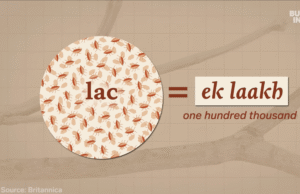
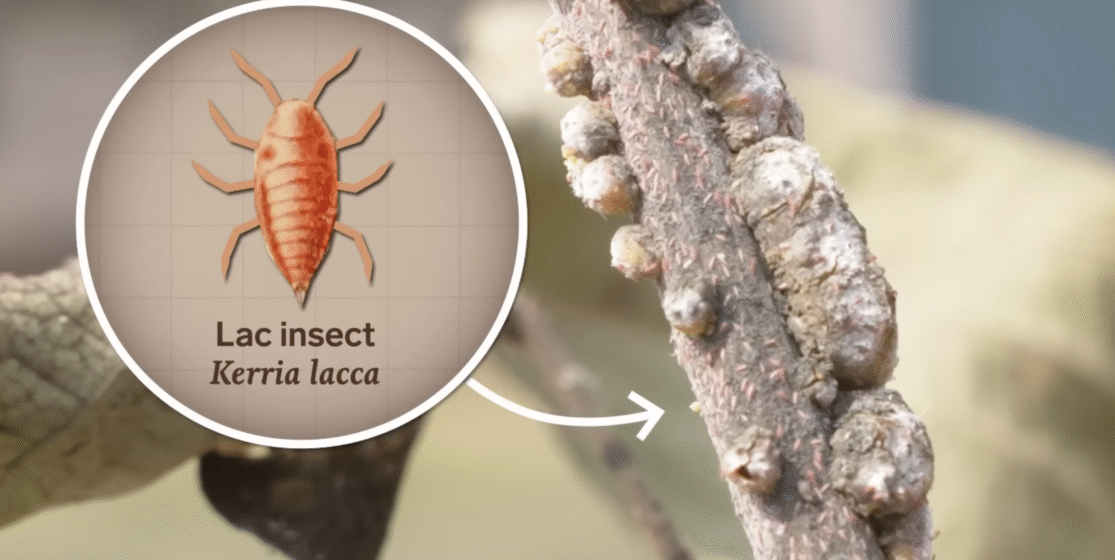
Lac begins its journey on the branches of host trees such as kusum, ber, and palash. The tiny insect Kerria lacca settles on these trees and begins feeding on the sap. As it does, it secretes a resin that hardens into layers on the bark.
This raw material, once harvested and refined, becomes lac resin, the foundation of traditional Rajasthani lac bangles and the well-known shellac used globally for varnishes, polishes, and protective coatings.
Historically, lac resin has been part of India’s cultural and artistic landscape for more than 3,000 years. Its versatility and natural strength made it invaluable long before synthetic materials existed.
Harvesting Lac: A Natural and Sustainable Process
The journey from forest to bangle is slow, seasonal, and deeply intertwined with India’s ecology.
1. Inoculation of Host Trees
Lac farmers tie branches containing lac insect colonies onto host trees. New generations begin feeding and secreting resin.
2. Resin Encrusting
Over several months, the branches become coated in a thick layer of lac resin. From afar, they appear as if dipped in natural amber.
3. Collection of Stick Lac
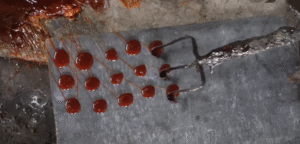
Farmers harvest the encrusted branches, scrape off the resin, and begin the refining process. This raw resin is known as stick lac.
4. Purification
The stick lac is washed, filtered, and heated until impurities separate. What remains is pliable, pure lac ready for artisans.
This natural harvesting cycle supports sustainable, forest-based livelihoods and keeps the tradition of lac cultivation alive in regions like Rajasthan, Jharkhand, and West Bengal.
Transforming Lac Into Bangles: The Artisans’ Craft
Lac does not yield to machines. It responds only to skilled hands and traditional methods passed down for generations.
Your reference video captures this transformation beautifully, especially the moment when lac meets fire and softens into a glossy, workable form.
Softening the Lac
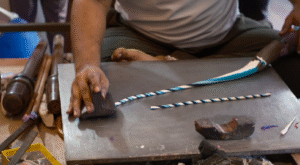
Artisans heat lac resin carefully. Temperature precision is essential. When heated correctly, the resin softens into a smooth, glowing mass.
Coloring the Resin
Natural pigments or mineral powders are incorporated into the softened lac. This step brings to life the vibrant colors associated with Rajasthani lac bangles.
Rolling and Molding
The colored lac is rolled into long strips, stretched evenly, and wrapped around heated metal rods. Artisans shape the resin quickly before it cools into its final form.
The Signature Joint
Every authentic lac bangle contains a small joint where the strip meets itself. This is not a flaw but the evidence of handmade craftsmanship. It distinguishes true lac bangles from factory-made imitations.
Decorative Work
Artisans add stones, mirrors, metallic dust, and delicate patterns using traditional tools. Each design reflects years of practice, often beginning in childhood.
The Science Behind Lac’s Beauty and Durability
Lac’s unique chemistry contributes to both its usefulness and its aesthetic appeal.
Thermoplastic Properties
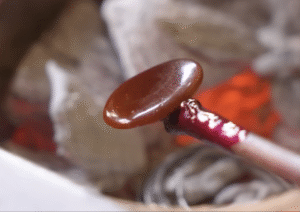
Lac softens when heated and hardens when cooled, allowing artisans to mold it with precision.
Natural Durability
Once set, lac becomes strong, moisture-resistant, and capable of retaining color for years. This makes lac bangles long-lasting and ideal for regular wear.
Eco-Friendly and Biodegradable
Lac is a renewable material harvested sustainably. Unlike synthetic plastics, it naturally decomposes over time and does not harm the environment.
Shellac: The Refined Form of Lac
When lac is further purified and processed into thin flakes, it becomes shellac. For centuries, shellac has been used to:
- Add glossy protective finishes to wooden furniture
- Preserve artwork and manuscripts
- Coat musical instruments
- Create electrical insulation
- Produce vintage gramophone records
Shellac and lac share the same origin, but shellac is simply the more refined, industrial-grade form. Both highlight the versatility of this extraordinary natural resin.
Lac Bangles: A Cultural Legacy in Rajasthan
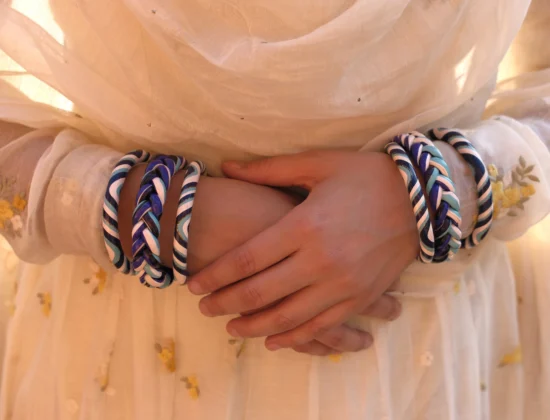
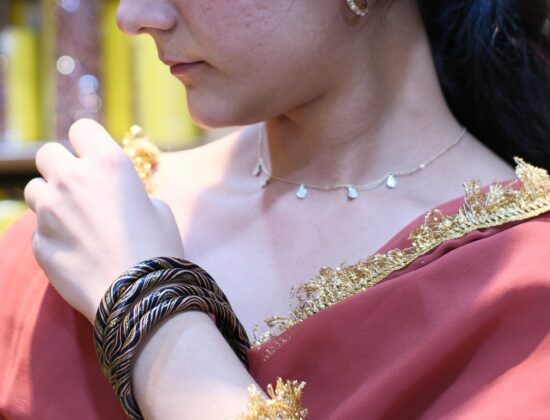
Across Rajasthan, lac bangles remain deeply symbolic. Worn by brides, gifted during ceremonies, and used in festivals, they are a central part of Rajasthani identity.
Symbolic Colors
- Red represents marriage and prosperity
- Green symbolizes growth and fertility
- Yellow marks new beginnings
- Multicolor sets celebrate everyday life and joy
The popularity of Jaipur’s lac bangles has made them a celebrated part of India’s traditional jewelry market, especially the handcrafted pieces from Tripolia Bazar.
Why Lac Still Matters Today
In a world dominated by synthetic materials and mass production, lac stands as an example of organic craftsmanship. Each lac bangle is shaped by human hands, not stamped by machines. Supporting this craft helps sustain:
- Generational artisan communities
- Eco-friendly, natural production
- India’s cultural heritage
- Traditional techniques that would otherwise fade away
Wearing a lac bangle is not simply a fashion choice. It is a connection to a living art form.
A Resin That Became Heritage
Lac is one of nature’s quiet wonders: born on tree branches, shaped by insects, refined by human hands, and transformed into cultural artistry. The next time you slide a lac bangle onto your wrist, you carry with you the story of forests, artisans, and centuries-old tradition.
More than jewelry, lac is a circle of science, nature, and culture—polished into beauty.